Climate Risk & Economics
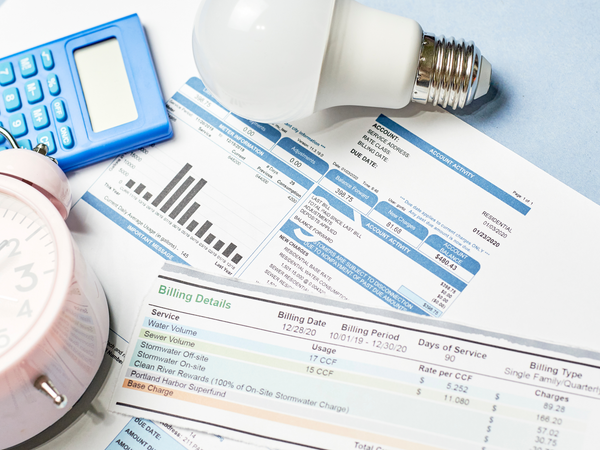
The climate cost in your monthly bills
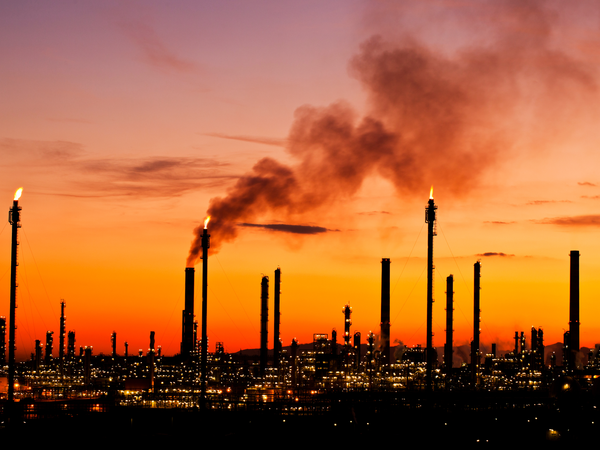
Every time fossil fuels are burned, an indirect cost is created that eventually appears in higher energy bills, insurance, food prices, and the deterioration of infrastructure.
Climate Risk & Economics
Every time fossil fuels are burned, an indirect cost is created that eventually appears in higher energy bills, insurance, food prices, and the deterioration of infrastructure.
Climate Risk & Economics
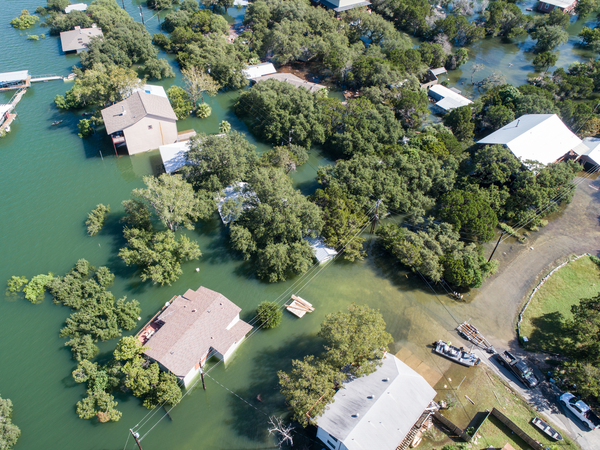
According to the Investment Intentions Survey in Jan 2026, 38% of investors plan to increase real estate investment over the next two years. However, ShelterBox warns that rising extreme weather could lead to the loss of 8.35 million homes annually until 2040.
Renewable Energy
Over the past few decades, the transition to a greener economy has created many new job opportunities. Still, as Artificial Intelligence (AI) gains momentum and offers immense potential, there is a growing concern that it may lead to unpredictable job losses.
Climate Change
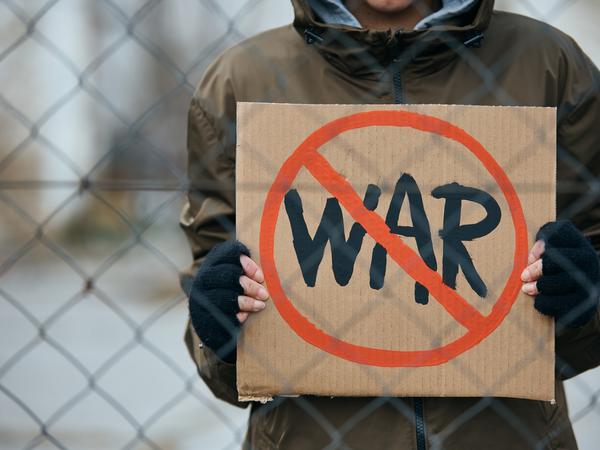
War rarely stays confined to the battlefield. When conflict erupts in one of the world’s most strategically important energy regions, the consequences have a domino effect across financial markets, government budgets, and global priorities.
Climate Risk & Economics
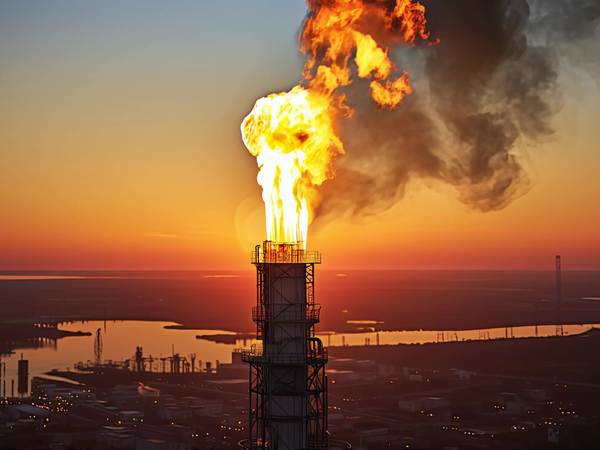
For more than a decade, natural gas has been promoted as a “bridge fuel” in the energy transition. But the choice comes with both an economic and environmental compromise.
Climate Risk & Economics
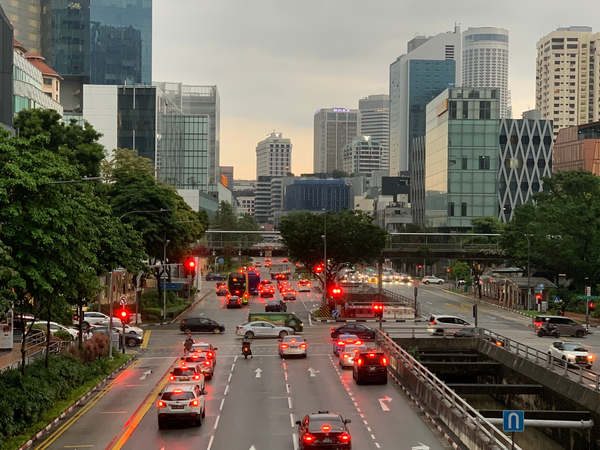
Household bills are rising everywhere. While inflation and geopolitics often take the blame, extreme weather, supply disruptions, and energy market shifts are increasingly shaping the price of everyday essentials.
As we search for cleaner energy sources, natural gas has emerged as an alternative solution to fossil fuels. It is believed to produce about 50-60% less CO2 than coal.
A source of high-quality energy data insight
Many sustainable businesses are now monitoring direct emissions from their facilities. Yet, this only captures a small portion of the overall emissions. The huge lump comes from the sources of power, which contain a substantial amount of fossil fuels.
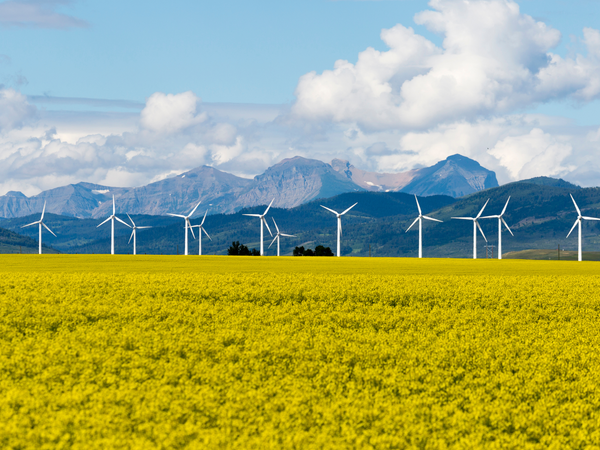
Wind and solar farms are expected to play a crucial role in tripling renewable energy capacity on a global scale by 2030. However, many countries are facing difficulty transitioning to clean energy at present, let alone meeting the net zero target.
The UEFA Euro 2024 football tournament has been the talk of the town. A big tournament like this has an extra responsibility to showcase its commitment to green initiatives, but will the competition live up to its promise?
During COP28, countries agreed to triple renewable energy capacity by 2030. As these goals transform into more concrete plans, investments in renewable energy are anticipated to rise substantially, providing an opportunity for companies to hire for major renewable energy jobs.
Europe still hasn’t fully recovered from the horror of the floods that claimed more than 200 lives across Germany, Belgium, and the Netherlands in 2021. Again, in the last few weeks, floods have hit parts of Germany and Italy, but the effects of El Niño may not be the only culprit.
As the global economy continues to expand, there's a growing demand for an increased reliance on renewable sources. However, hot summers make popular renewables such as wind energy less efficient, which is a huge disadvantage.
In 2022, the supply chain disruptions caused by Ukraine’s invasion increased coal production around the world by 8.2%. Over 70% of the coal mining happened in Asia, with China and India leading the production.
In 2022, Germany announced a series of initiatives to transform the focus of the energy landscape into renewable energy. Their highly ambitious goals included achieving an 80% share of renewable sources in electricity generation by 2030 and 100% by 2035.
The digitalization of modern life and innovative technologies has completely transformed the way people shop. However, this significant increase in e-commerce logistics also comes with some hidden environmental costs.
When boilers operate at high temperatures, oxygen interacts with nitrogen from the air and the fuel used, resulting in the formation of nitric oxide (NO) and nitrogen dioxide (NO2), collectively known as nitrogen oxides (NOx).
A recent Deloitte study believes that about 90% of Gen Zs and millennials actively seek to reduce their environmental footprint, yet only 18% believe their employers have a strong commitment to addressing climate change.
Even though there's a critical need to cut carbon emissions, the integration of decarbonization into a supply chain strategy is still limited. Industries face an ongoing challenge in balancing supply and demand, calling for immediate attention.