How the Iran conflict could shift climate funding priorities
War rarely stays confined to the battlefield. When conflict erupts in one of the world’s most strategically important energy regions, the consequences have a domino effect across financial markets, government budgets, and global priorities.

An ongoing war involving Iran is not only a geopolitical crisis but also an economic one, as governments often shift their budget’s focus toward energy security.
And while doing that, there is another consequence that receives far less attention: climate action. Funds that could have been invested in renewable energy, climate adaptation, and disaster resilience are often redirected toward military budgets, reconstruction, and energy security.
At this time, when we are already struggling to finance the low-carbon economy, conflicts like this push climate goals further out of reach.
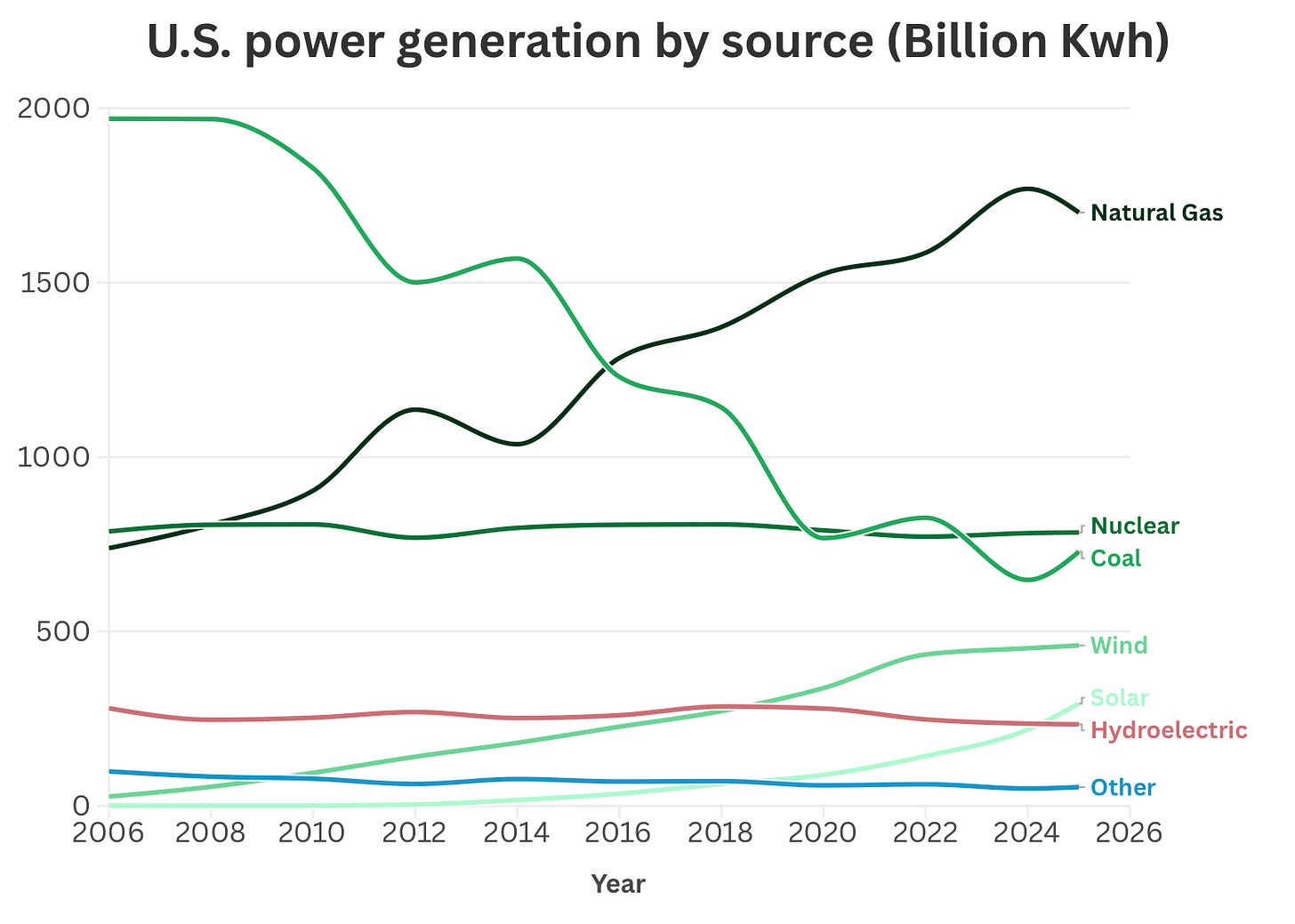
Solar and wind are slowly replacing coal in the U.S. over the last two decades (Figure 1), but the oil crisis means that governments, not only in the U.S. but around the world, may turn to coal as the fastest, cheapest, and most reliable option.
Read: The critical role of power sources in the climate crisis
Military spending and climate finance
The cost of the first six days of the U.S. military campaign against Iran was already around USD 11 billion. That is about USD 1.83 billion a day. The compounding effect of that daily rate is where the picture becomes truly evident. If sustained for six months, the total military expenditure of this campaign could reach more than USD 300 billion.
This escalating conflict is already being felt across energy markets as supply disruptions deepened across the Gulf. The oil prices increased by more than 25% and the gas by more than 6% in a single session.
Read: Is natural gas still a financial no-brainer?
As a result, countries may reopen coal plants, and these short-term decisions to address immediate energy needs can slow the transition to renewables.
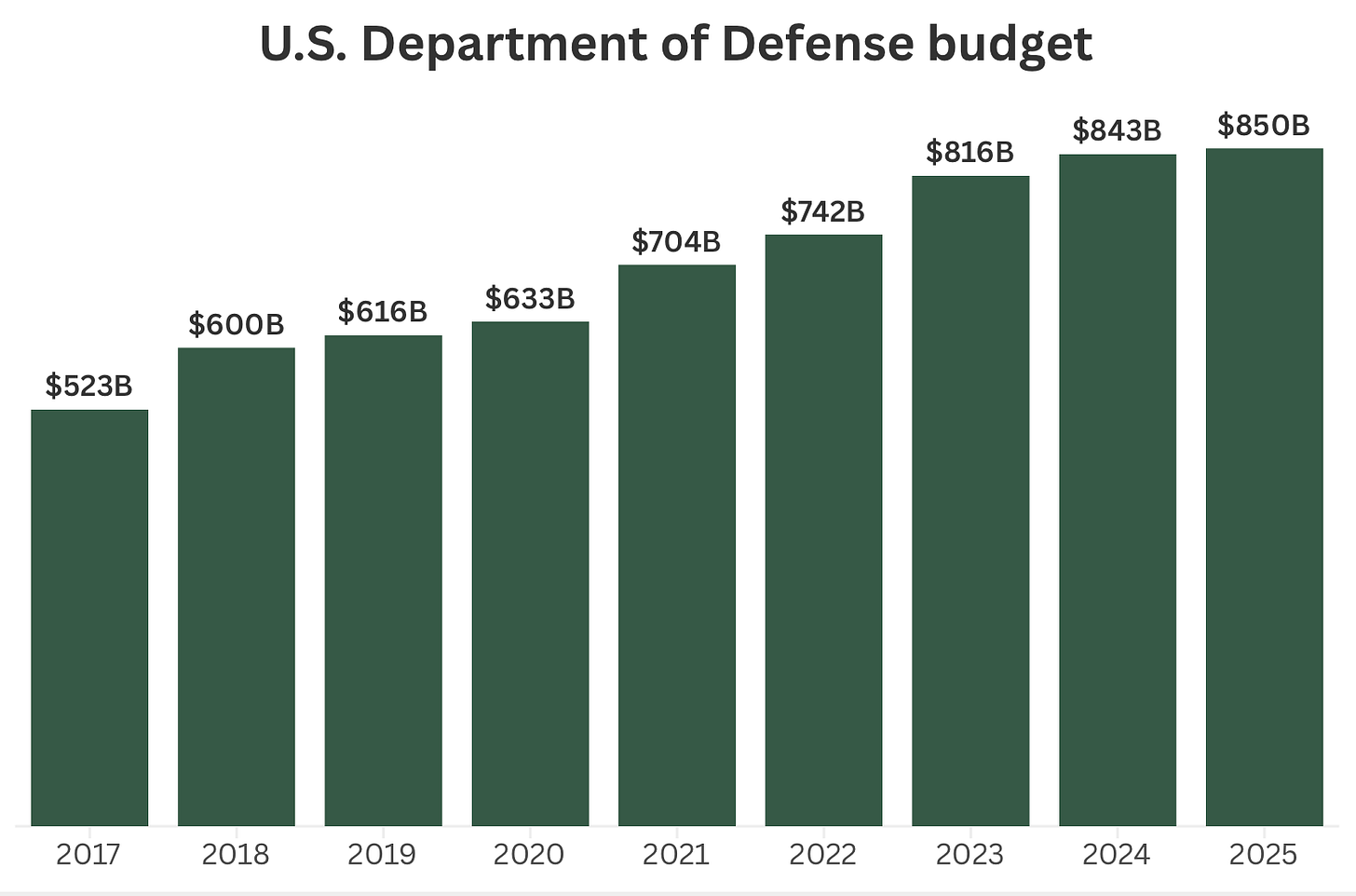
Figure 2 shows the U.S. defense budget over the past decade. With the current conflict, the budget is expected to increase this year, which may reduce the focus on climate finance. This is also linked to the country’s withdrawal from some climate commitments in 2025.
By 2024, the U.S. was spending over USD 11 billion a year on climate finance, but this amount is expected to decrease in coming years.
Ahead of the U.S. presidential election last year, Carbon Brief estimated that, by reversing the IRA and other key policies, a Trump administration would add 4 billion tonnes of emissions by 2030.
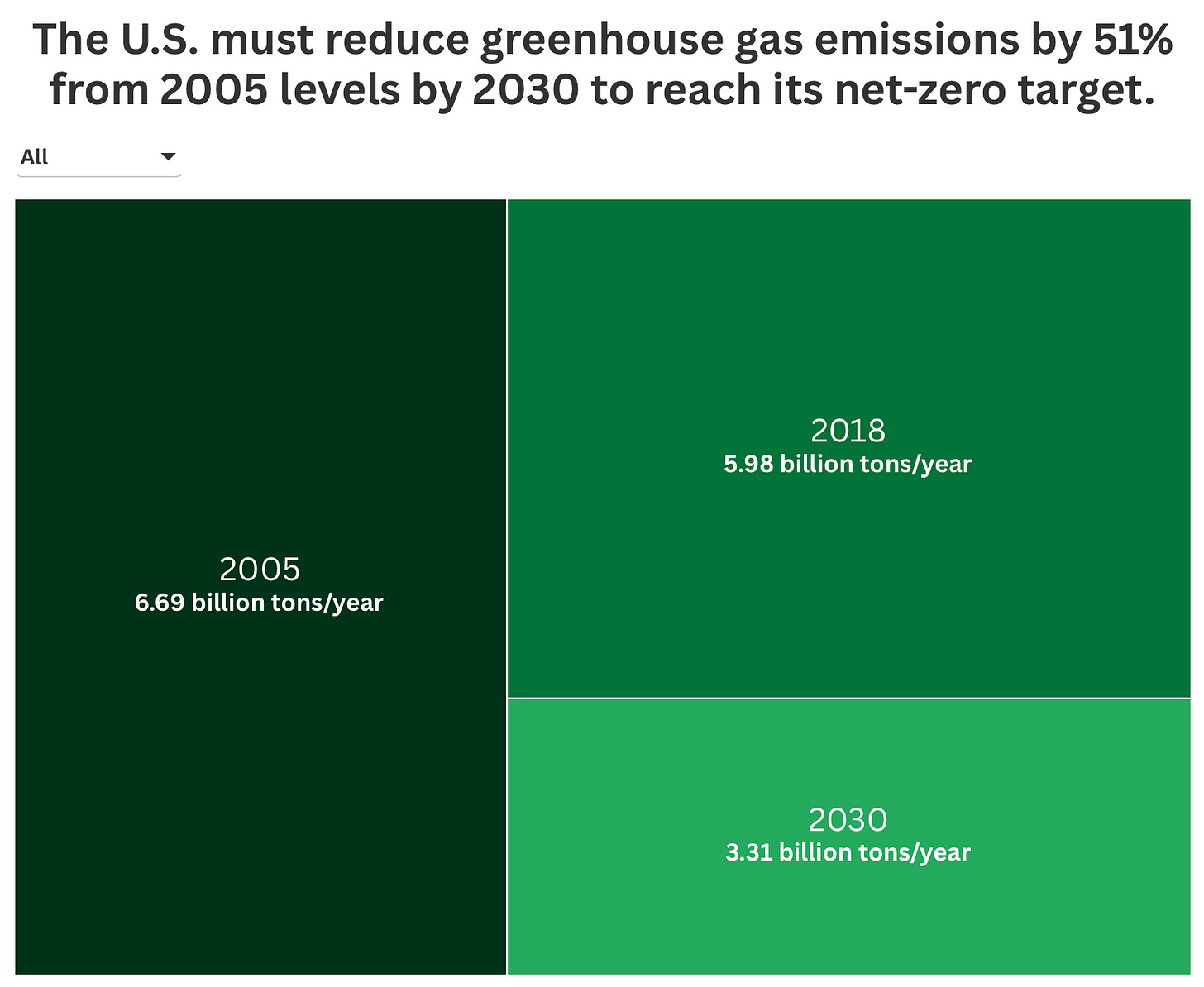
Ideally, the U.S. should have cut all the greenhouse gas emissions by 51% by 2030, compared to 2005. That is from 6.69 billion tons/year to 3.31 billion tons/year in 2030 (Figure 3) but it is now expected to fall by only 3%.
The solar and wind power expansion will likely slow down, as will sales of electric vehicles and energy efficiency improvements.
This would leave the U.S. around 2 billion tonnes short of its greenhouse-gas emissions target for the year 2030. That is roughly the annual output of Indonesia, the world’s sixth-largest emitter.
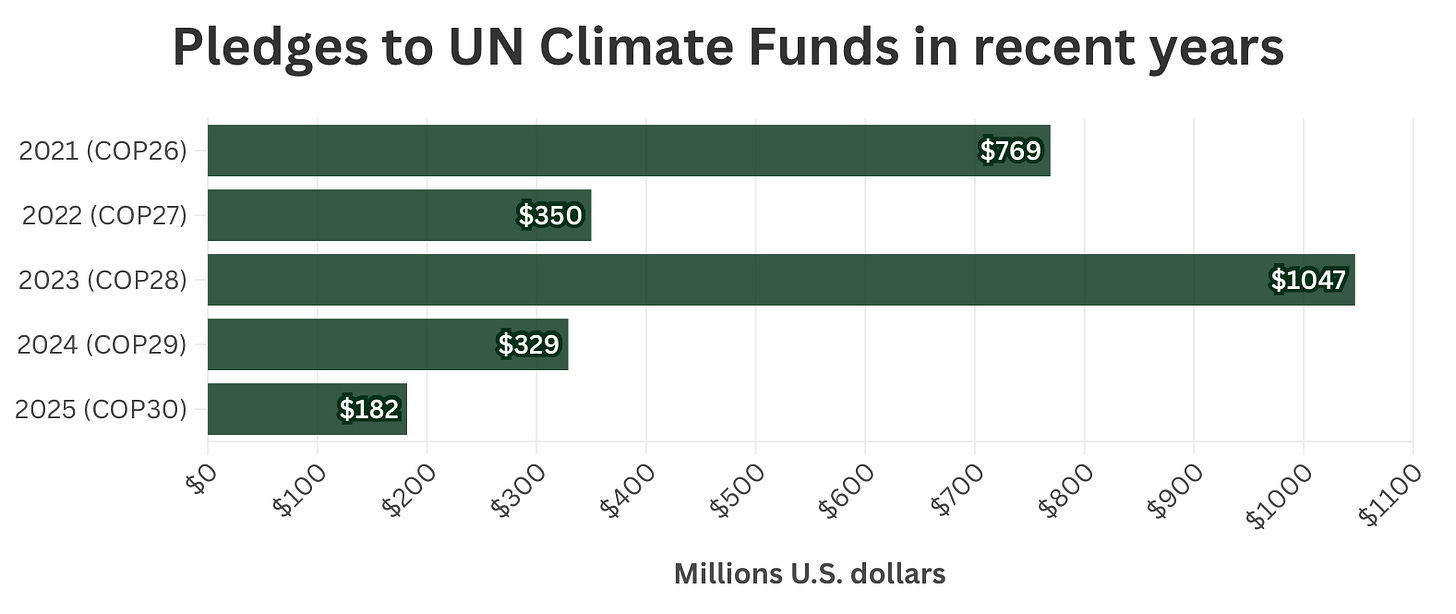
Figure 4 shows the pledges the first-world countries made to the UN climate funds in recent COPs. Wealthy countries pledged to provide USD 100 billion per year to help developing nations address climate change, but that target has repeatedly been missed.
The funds rely on contributions from governments and private donors, yet they struggle to meet targets. For instance:
- Adaptation Fund: USD 1.7 billion pledged from 26 countries (falling short of the USD 300 million annual target)
- Loss and Damage: USD 768 million pledged from 28 countries
- Green Climate Fund: USD 12.8 billion pledged in 2023 from 31 countries
This highlights a reality: the climate crisis is a long-term threat, but short-term security and defense priorities often dominate public budgets.
Rising inflation and household costs
Energy security is a legitimate concern. Countries cannot risk widespread blackouts or economic collapse.
As Iran sits at the center of one of the world’s most critical energy corridors, roughly one-quarter of oil shipments and about 20% of liquefied natural gas (LNG) pass through this narrow waterway.
Even minor disruptions can trigger sharp spikes in energy prices. This translates into higher transportation, food and electricity costs, and slow economic growth.
Read: How climate change is increasing your household bills
Countries that rely heavily on imported energy, such as Japan, South Korea, India, and Taiwan, are particularly vulnerable. On the other side, Europe is also at risk, with potential increase in household energy bills and reductions in living standards.
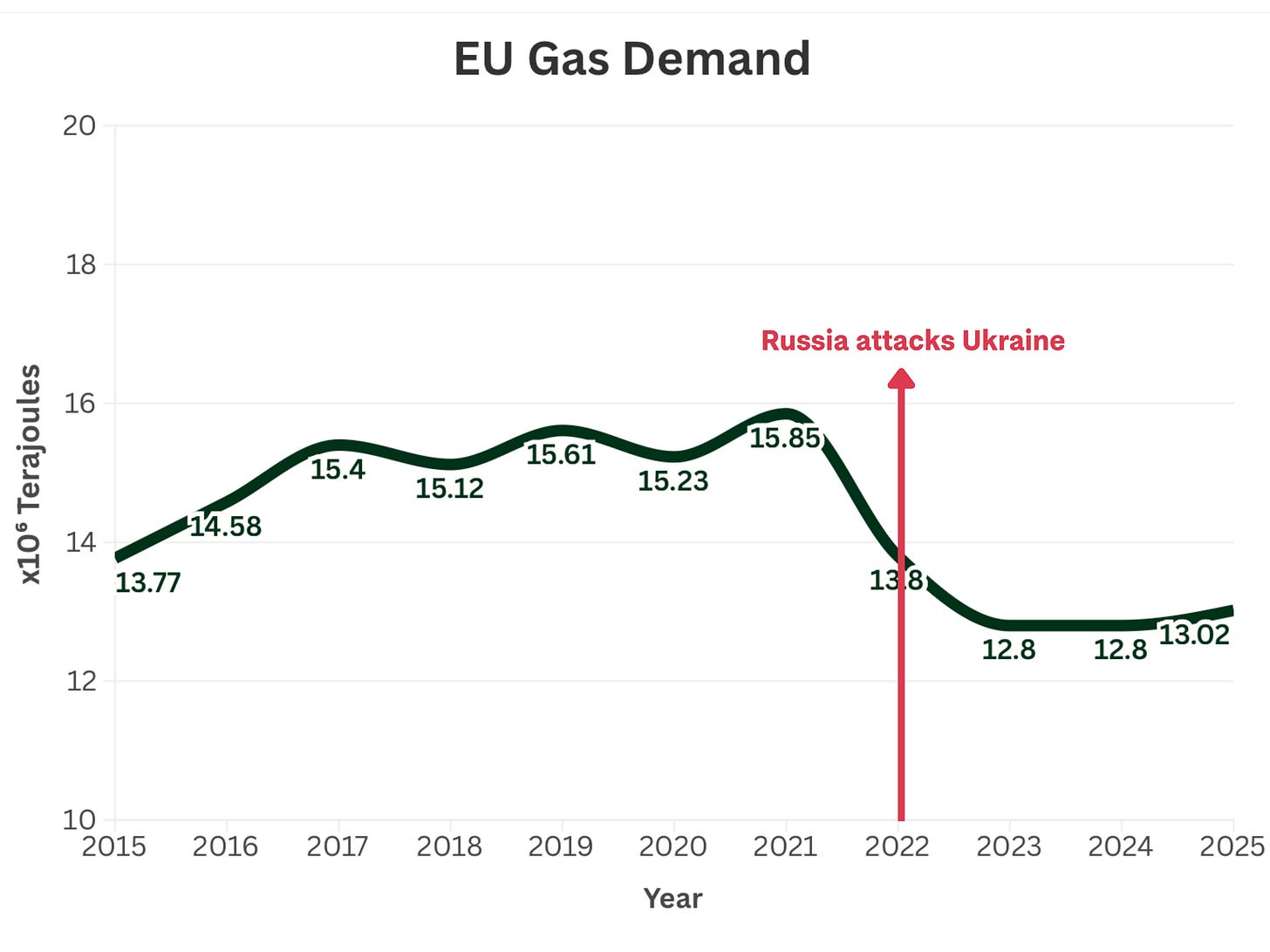
Gas demand was already going down in the EU since Russia’s attack on Ukraine (Figure 5). But the current disruptions in global gas supplies have already forced some countries to rely on coal.
This means climate projects could be delayed, underfunded, or canceled and the economic impact of this could be one of the most costly consequences.